Dental crowns and bridges in Malta: rebuild a damaged tooth or fill a gap
Crowns cap and protect a tooth that has been weakened; bridges fill the gap left by a missing one. Both are long-standing, dependable ways to get teeth working and looking right again, and we make ours in tooth-coloured ceramic.
Dental crowns in Malta: what a crown is, and who needs one
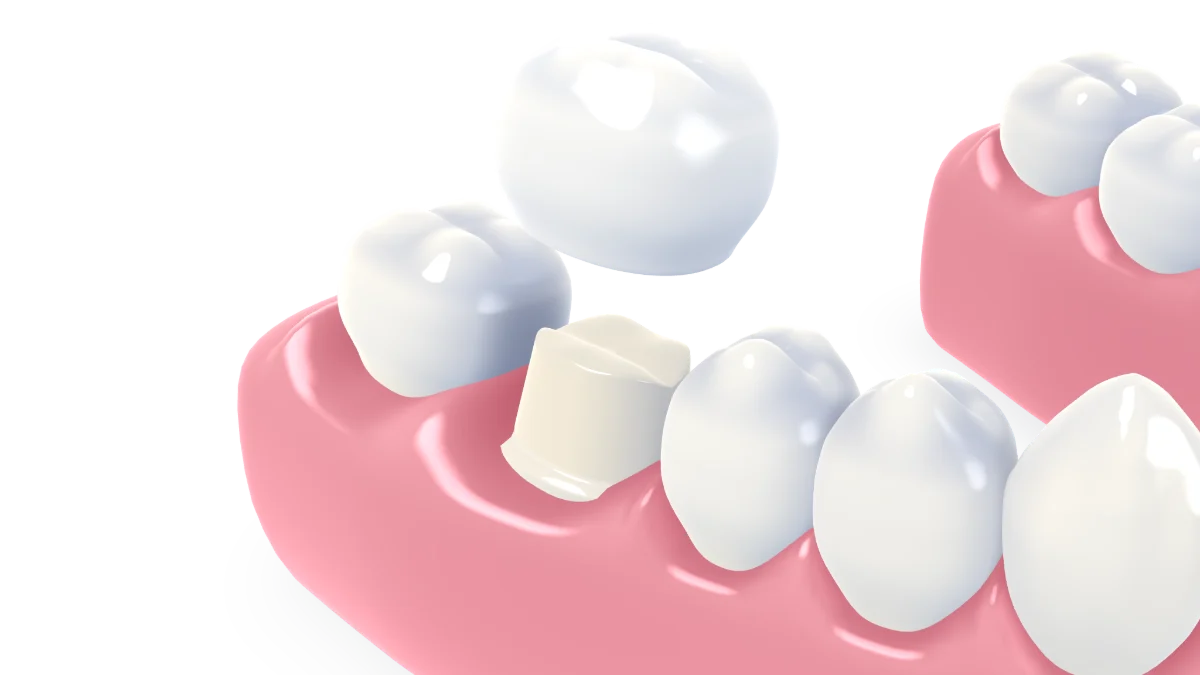
A dental crown is a cap, made to the shape and shade of a natural tooth, that fits over the whole of the tooth above the gum. Where a filling replaces part of a tooth, a crown covers all of it, holding a weakened tooth together and spreading the force of biting across it. That is why crowns are used to rebuild teeth that are broken, heavily filled, cracked or badly worn, and to protect back teeth after root canal treatment, which become more brittle once the nerve has been removed. A crown can also improve a front tooth that is badly misshapen or discoloured where a veneer would not be enough. Because a crown keeps the shade it was made in, teeth whitening is best done first if you are planning it, and a front crown is often planned together with other cosmetic dentistry so the whole smile matches.
Most of our crowns are full porcelain or zirconia, strong tooth-coloured materials that are hard to tell apart from natural teeth. A porcelain crown on a metal base is still the sensible choice in some situations, and we will say so if yours is one of them. A crown is also what sits on top of a dental implant, so the same care goes into its shape, bite and colour whether it sits on a natural tooth or an implant.
Signs a tooth may need a crown
A large old filling that keeps breaking, a tooth with a crack or a corner that has snapped off, pain when you bite on one spot, a back tooth that has had a root canal, or teeth that have worn short from grinding can all point towards a crown. None of these means a crown for certain, and sometimes a new filling is enough, so we examine the tooth and take an X-ray to see how much healthy tooth is left and whether the root is sound before recommending anything.
Dental crowns — when a filling is not enough
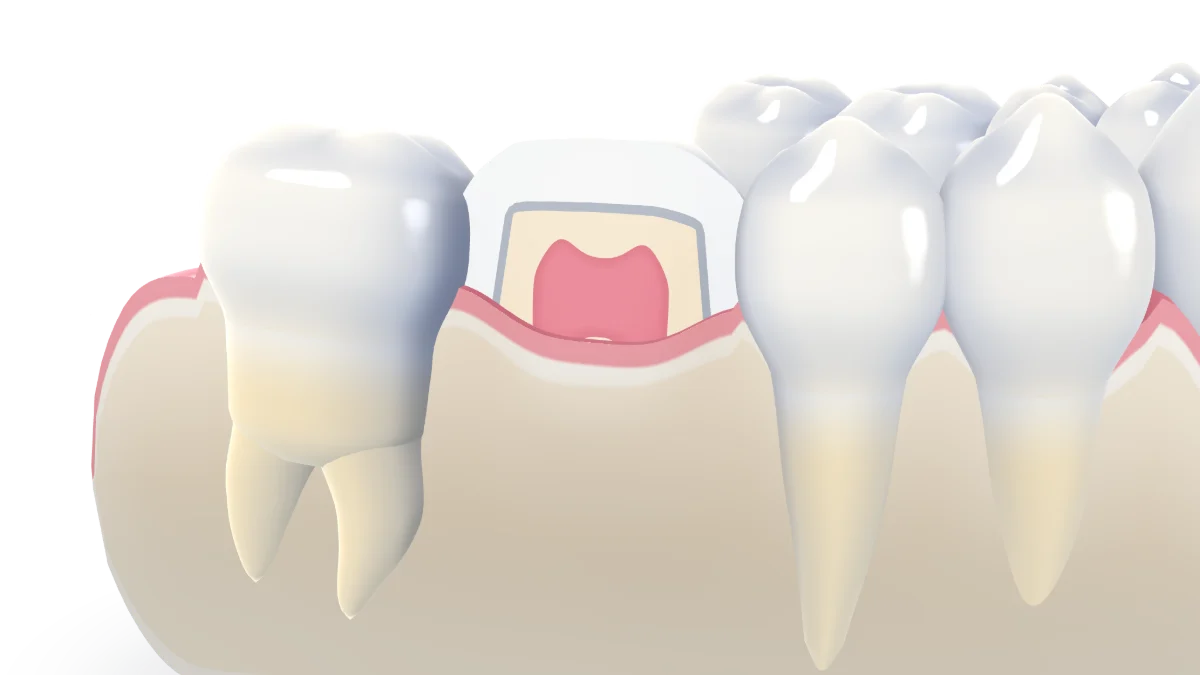
A filling rebuilds part of a tooth; a crown covers the whole of it. Once a tooth has lost a lot of structure to decay, a crack, or an old large filling, a fresh filling has little to grip and tends to come loose or take the tooth with it when it fails. A crown wraps over the top and holds everything together so the tooth can take normal biting again.
Protects teeth after root canal treatment
Restores badly broken or worn teeth
Covers misshapen or heavily stained teeth
High-quality ceramic and zirconia materials
Types of dental crown, and the extras some teeth need
Crowns are priced per tooth. These are the materials we use and the steps sometimes needed alongside a crown, all from our price list.
Full porcelain or zirconia crowns
Tooth-coloured all the way through, with no metal, so there is no dark edge to show at the gum. Zirconia is very strong, which suits back teeth that take heavy chewing. A full porcelain or zirconia crown is €450.
Porcelain on metal crowns
A porcelain outer shell over a metal inside: strong, long-established, and still the right choice in some situations. A metal-porcelain crown is €450.
Post and core build-up
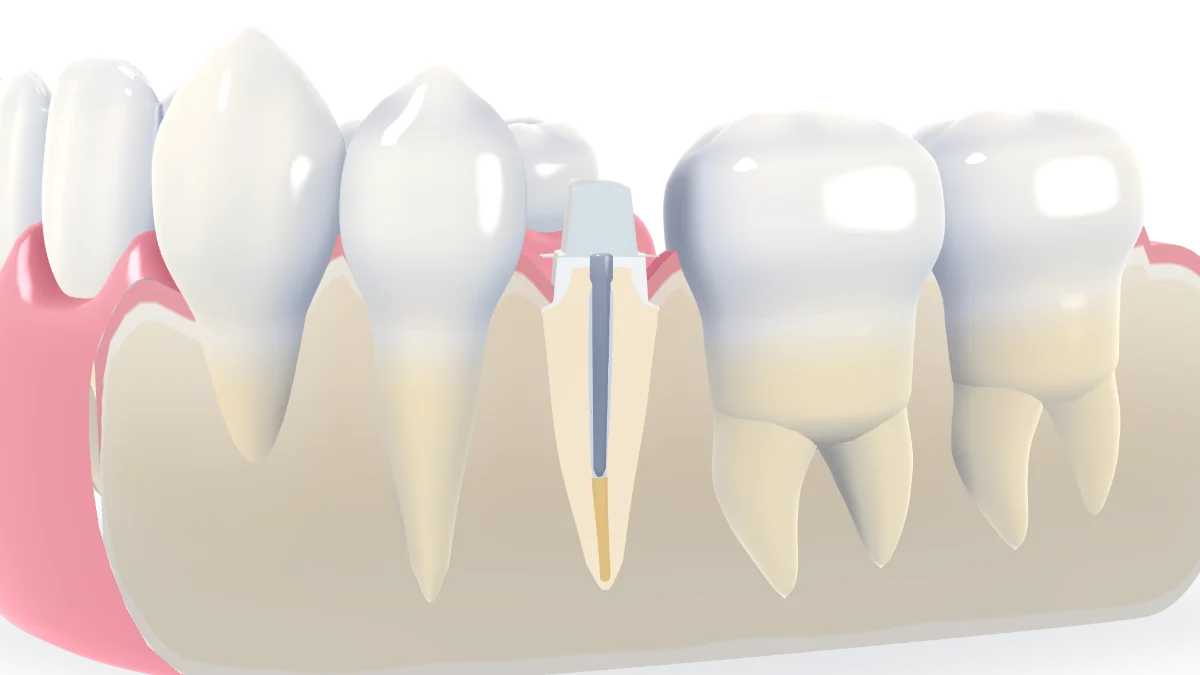
When too little tooth is left above the gum to hold a crown, often after a root canal, a post set into the root and a core built up around it give the crown a solid base. A post and core is €70.
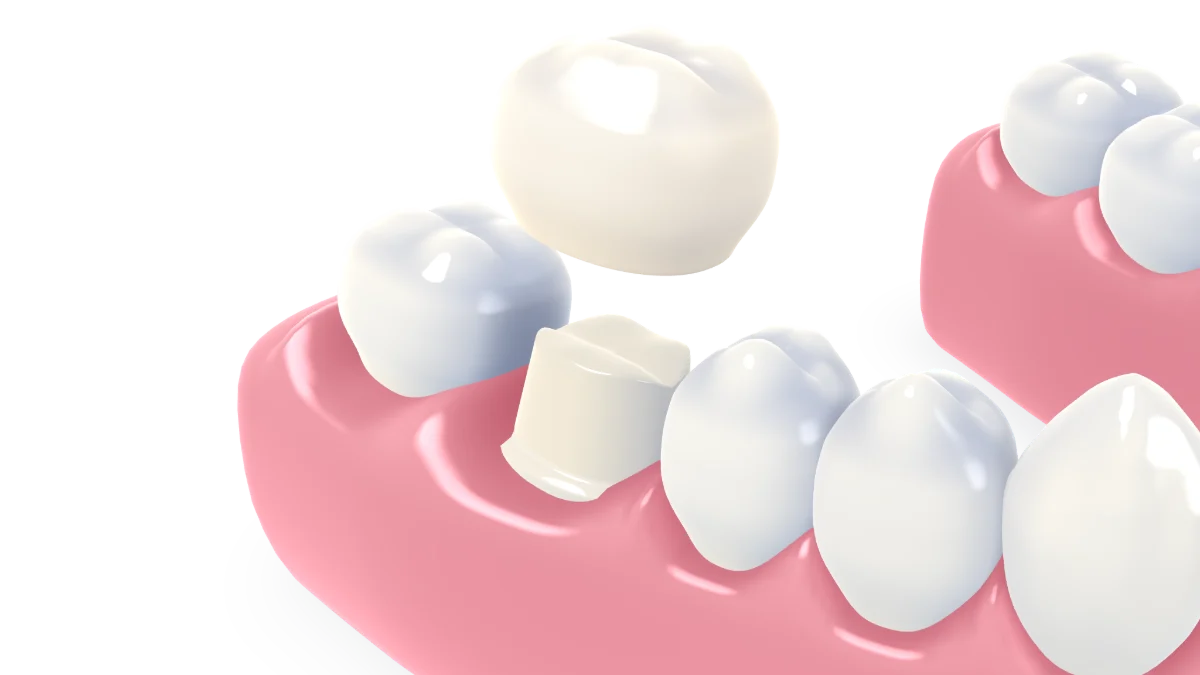
Temporary crowns
A temporary protects the prepared tooth while the final crown is made. Lab-made temporary crowns are on our price list at €50, and your quote shows whether your case includes one.
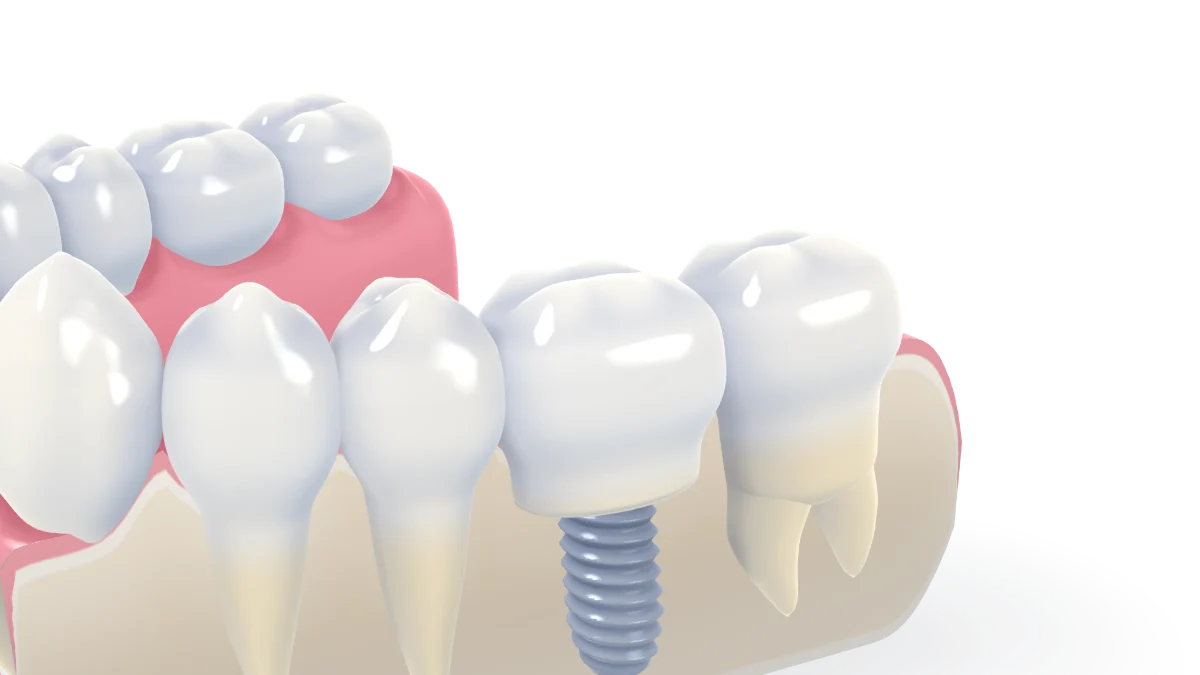
Crowns on implants
When a tooth is missing, an implant replaces the root and a crown goes on top. An implant complete with its crown is €1,500 – €1,800; a crown or pontic on an implant is €400.
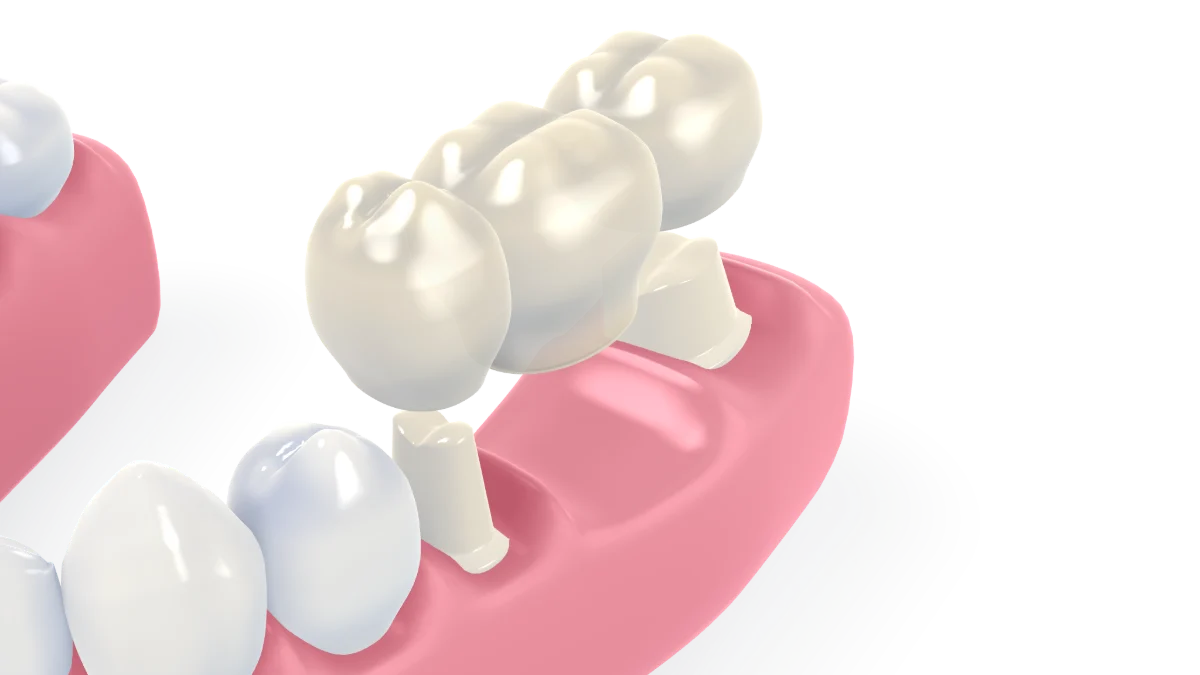
Replacing an old bridge
An old bridge that has failed or no longer looks right can be taken off and replaced. Removing existing bridgework is €30, depending on the state of the bridge and the work involved.
Same-day CEREC crowns in Malta
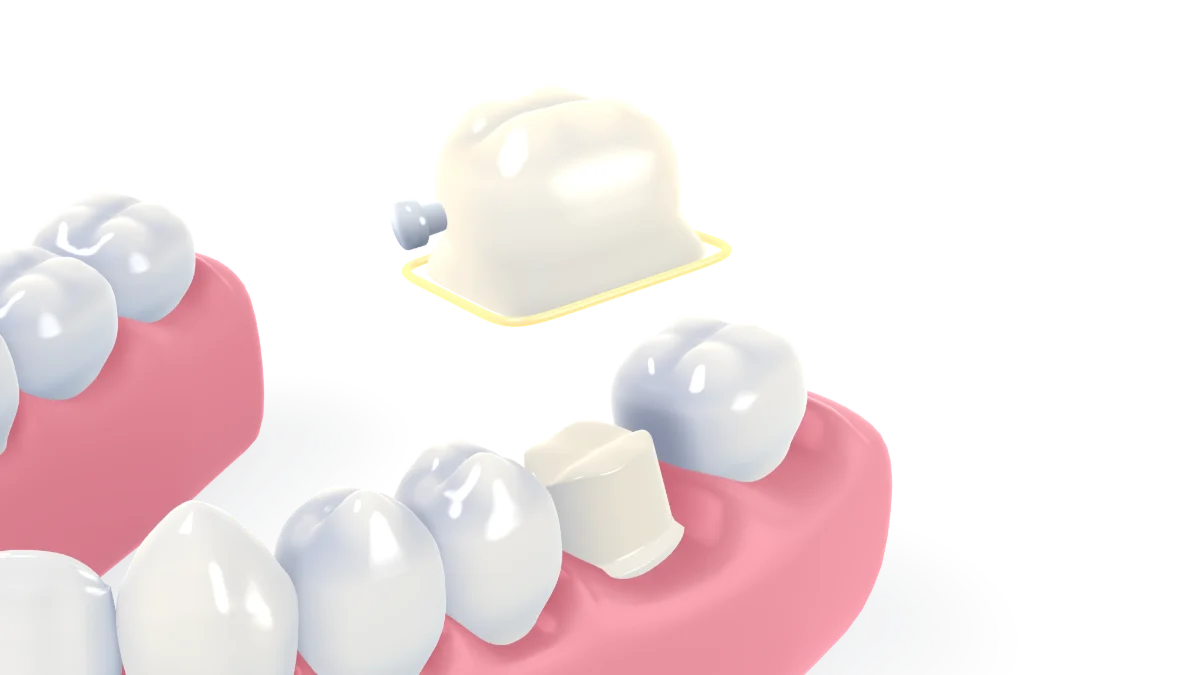
For many teeth we can make the crown in the clinic and fit it the same day, with CEREC. Instead of an impression and a wait for a laboratory, the prepared tooth is scanned with a small camera, the crown is designed on screen to fit the tooth and your bite, and it is milled from a solid block of tooth-coloured ceramic while you wait. It is then checked, finished and fixed in place at the same appointment, so there is no temporary crown to look after and no second visit for the crown itself.
Who can have a same-day crown?
Same-day crowns suit many single crowns, including back teeth that need protecting after a large filling or a root canal. Not every case is suitable. Some teeth need a root canal, a post and core or gum treatment first, and some work, such as longer bridges, crowns on implants or a front tooth with a demanding shade, may be better made by the laboratory. Your dentist tells you at the consultation whether a same-day crown is right for your tooth.
What the appointment is like
Expect one longer visit rather than two shorter ones. The tooth is numbed, prepared and scanned; the crown is designed and milled while you wait; then the fit, bite and colour are checked before it is fixed in place. Afterwards a same-day crown is looked after exactly like any other crown. We confirm the price for your tooth before we start, and our crown fees are on the price list.
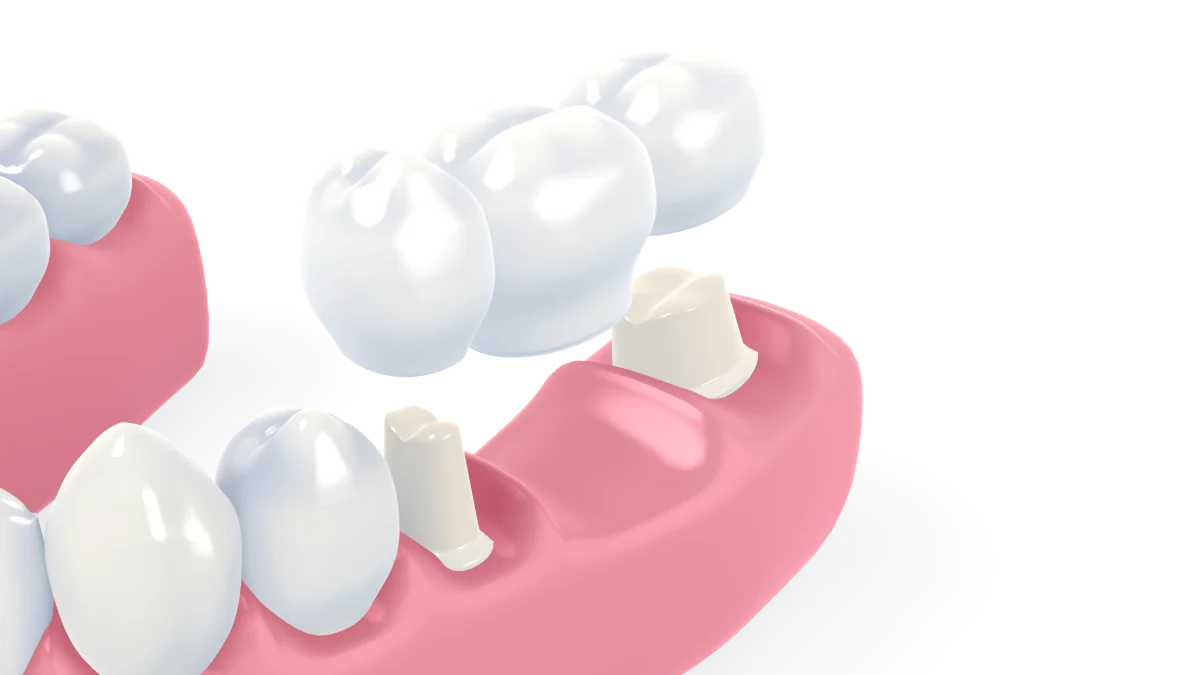
Dental bridges — a fixed solution for missing teeth
A bridge replaces a missing tooth by borrowing support from the teeth on either side. Those teeth are crowned, and a false tooth is joined between them to fill the space. The result is fixed in place and used like your own teeth — nothing to take out at night, and the gap is closed so the other teeth cannot drift into it.
Replaces one or more missing teeth
Fixed and not removable like a denture
Restores chewing function and smile aesthetics
Prevents remaining teeth from shifting
Dental bridges in Malta: who they suit, and the alternatives
A dental bridge fills a gap with a false tooth, called a pontic, held in place by crowns on the teeth either side. The bridge is made as one piece and fixed in place, so it does not come out, and it closes the space so the neighbouring and opposite teeth cannot drift into it. It works best when the teeth either side of the gap are healthy and firm, with sound gums and bone around them, and it makes most sense when those teeth already have large fillings or need crowns anyway, because crowning them then does double duty. Where the neighbours are healthy and untouched, it is worth weighing the trade-off: a bridge means preparing those teeth, which cannot be undone.
Bridge, implant or denture?
There are three main ways to replace a missing tooth, and each has its place. A bridge is fixed and relies on the teeth either side. A dental implant stands on its own and leaves the neighbouring teeth untouched, but needs enough bone and time to heal before the crown goes on. A denture comes out for cleaning, is usually the more affordable route, and can replace several teeth at once. Where several teeth or a whole arch are missing, a bridge on implants is another option, and our dental prosthetics page sets the choices side by side. We lay out the options that fit your mouth, with the cost of each, rather than push one.
Treatment Process
What to expect, step by step
Step 1: Check and X-ray
We examine the tooth and take an X-ray to see how much healthy tooth is left and whether the root is sound.
Step 2: Preparing the tooth
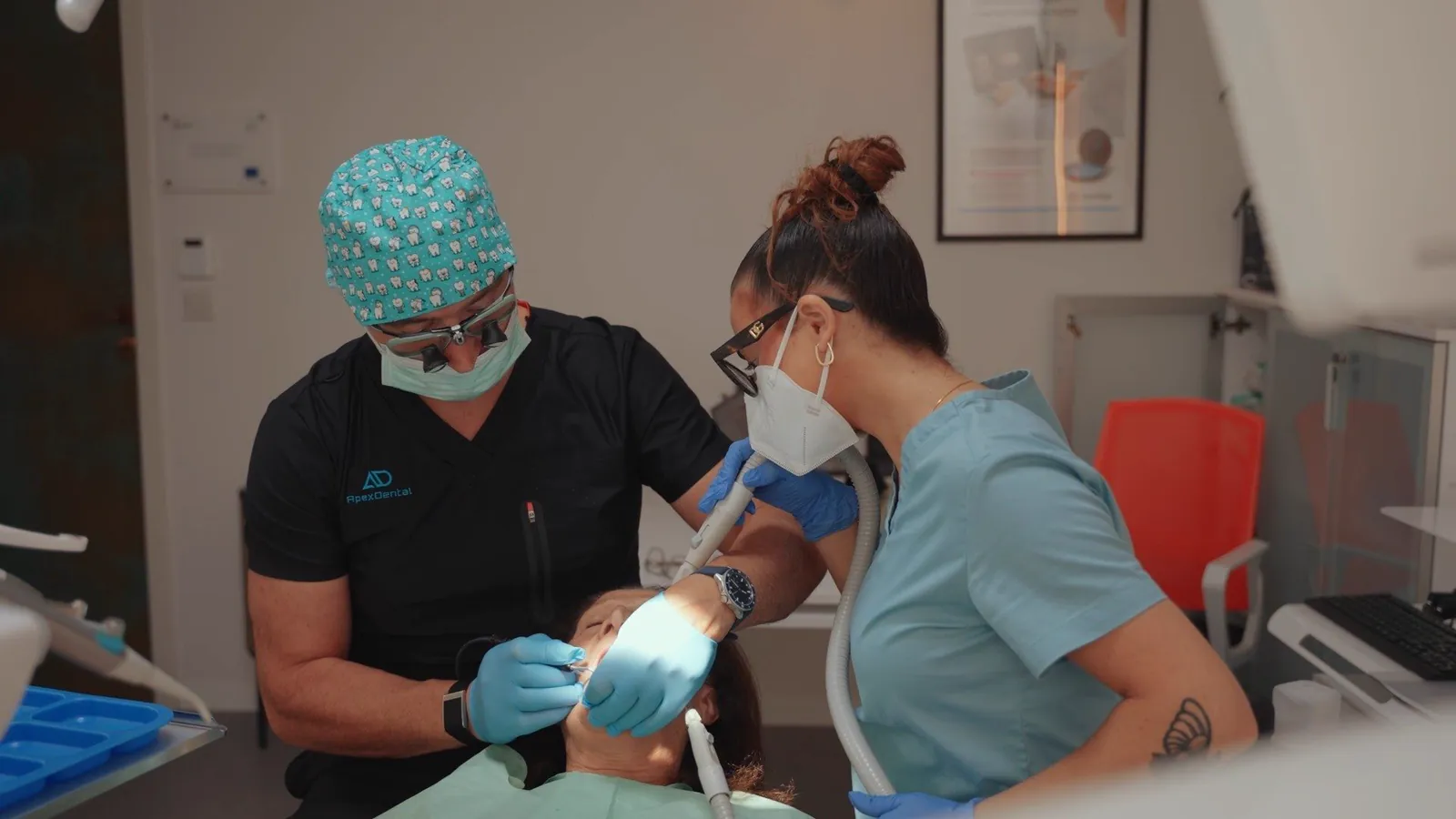
With the area numbed, the tooth is shaped so the crown can sit over it, and a digital scan records it — no putty impressions.
Step 3: A temporary in the meantime
You leave with a temporary crown that protects the tooth while the final one is made.
Step 4: Fitting the crown
At the next visit the final crown is checked for fit, bite and colour, then fixed in place.
Crowns and bridges: time, aftercare and how long they last
How many appointments it takes
A same-day CEREC crown is made and fitted at one longer visit. A crown made by the laboratory usually takes two main visits: one to prepare the tooth, scan it and fit a temporary, and a second, once the final crown has been made, to check the fit, bite and colour and fix it in place. A bridge follows the same pattern, with the teeth either side prepared at the first visit. If a tooth needs a root canal, a post and core or gum treatment first, that comes before and adds to the timeline. We tell you how many visits your case needs at the consultation.
Looking after a crown or bridge
A crown is cared for like a natural tooth: brush twice a day with a fluoride toothpaste, clean between the teeth every day and keep up your check-ups and hygiene visits. The edge where the crown meets the tooth is where decay can start, so it needs particular care. A bridge needs one extra habit: cleaning under the false tooth, where food and plaque collect, with floss threaders or small interdental brushes. For the first few days a new crown can feel slightly sensitive or different in the bite; if the bite still feels high after that, tell us, as it can be adjusted. If you grind your teeth, a night guard protects the work while you sleep.
How long crowns and bridges last
Looked after well, crowns and bridges can last many years, but there is no fixed number that applies to everyone. It depends on the material, the tooth underneath, your bite and whether you grind, and above all on keeping the edges clean and coming for check-ups so any problem is caught early. Your dentist will give you a realistic estimate for your own case.
Risks, and what to know before you start
Crowns and bridges are well-established treatments, but they have downsides. Preparing a tooth for a crown removes part of it, and that cannot be undone. Teeth can be sensitive for a while afterwards, and occasionally a tooth with a deep filling or a crack becomes inflamed later and needs a root canal. Porcelain can chip, and a temporary can come loose before the final crown is fitted. With a bridge, the false tooth depends on the teeth holding it, so if one of them develops decay or gum problems the whole bridge can be affected. Careful planning and good cleaning reduce these risks, and we will tell you what applies to your teeth before you decide.
Dental crown cost Malta
What affects the cost of a crown or bridge
A crown is priced per tooth: €450 for full porcelain or zirconia, or €450 for porcelain on a metal base. What can add to it is work some teeth need first, such as a post and core build-up (€70), a root canal or gum treatment, and that is quoted before anything starts. A bridge is priced by the number of teeth it spans, so we give you the figure after looking at the gap.
A €20 booking fee secures a first appointment and is deducted from your final bill. Every fee is on our price list, and you have the full cost of your treatment before it starts.
Transparent pricing — no surprises
Crown prices are per tooth. A bridge depends on how many teeth it spans, so we price yours after looking at the gap — before any work starts.
View full price listFrequently asked questions
From our blog
Read more about this treatment
Related treatments
Other care that often goes with this

Need a crown or bridge in Malta?
Book a consultation and we will look at the tooth, explain whether a crown, bridge or implant fits best, and give you the cost before you decide.